Category: Research

  • Cross-Platform Comparison of Marine Boundary Layer Cloud and Drizzle Properties over the Southern Ocean Using Airborne, Shipborne, and Satellite Observations

    Find it Online: https://doi.org/10.3390/rs18132262

    Highlights

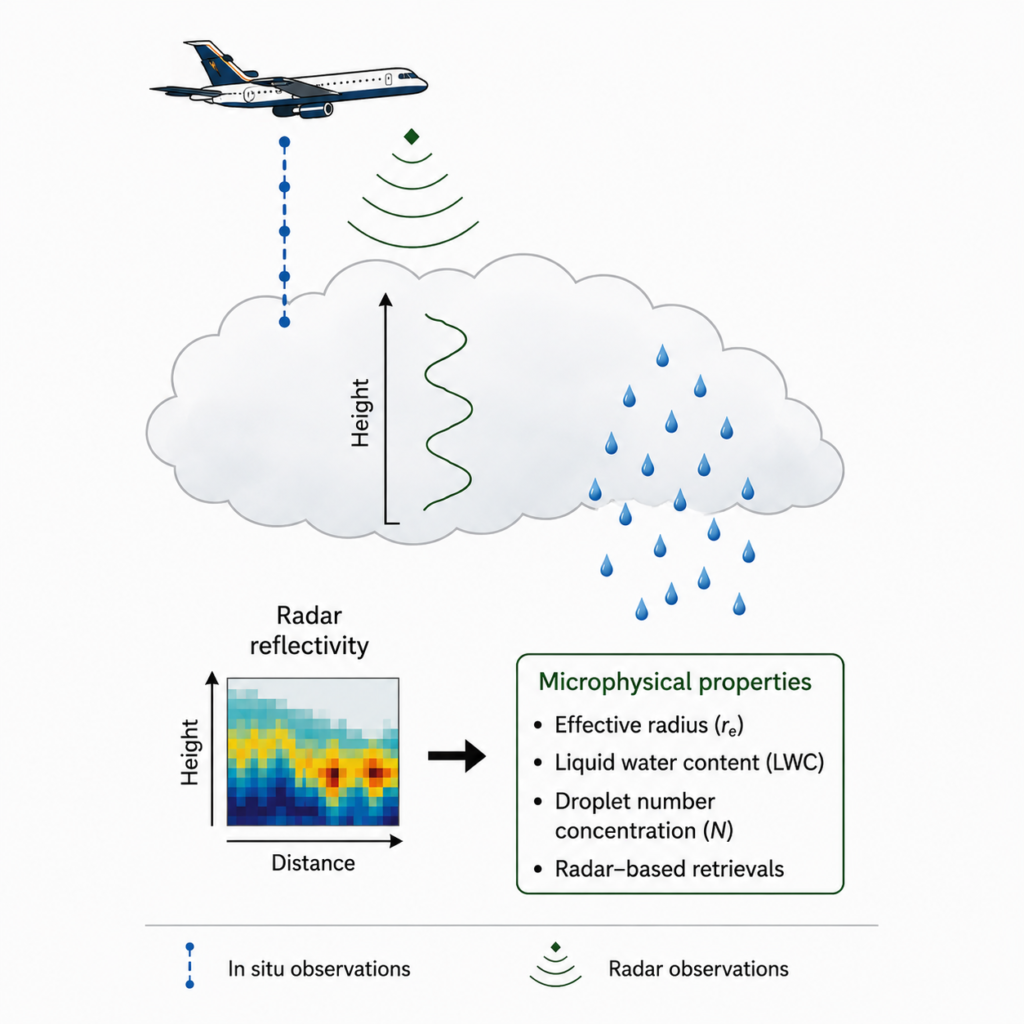
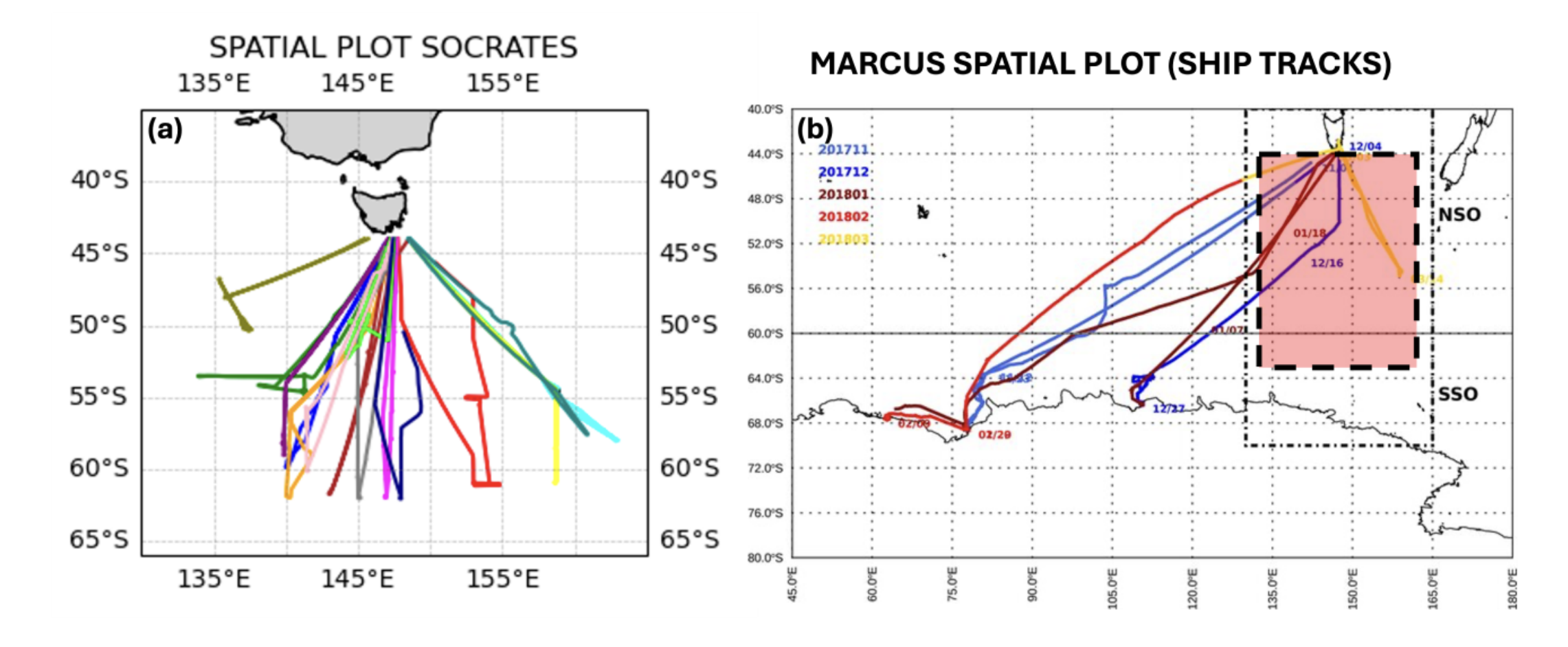
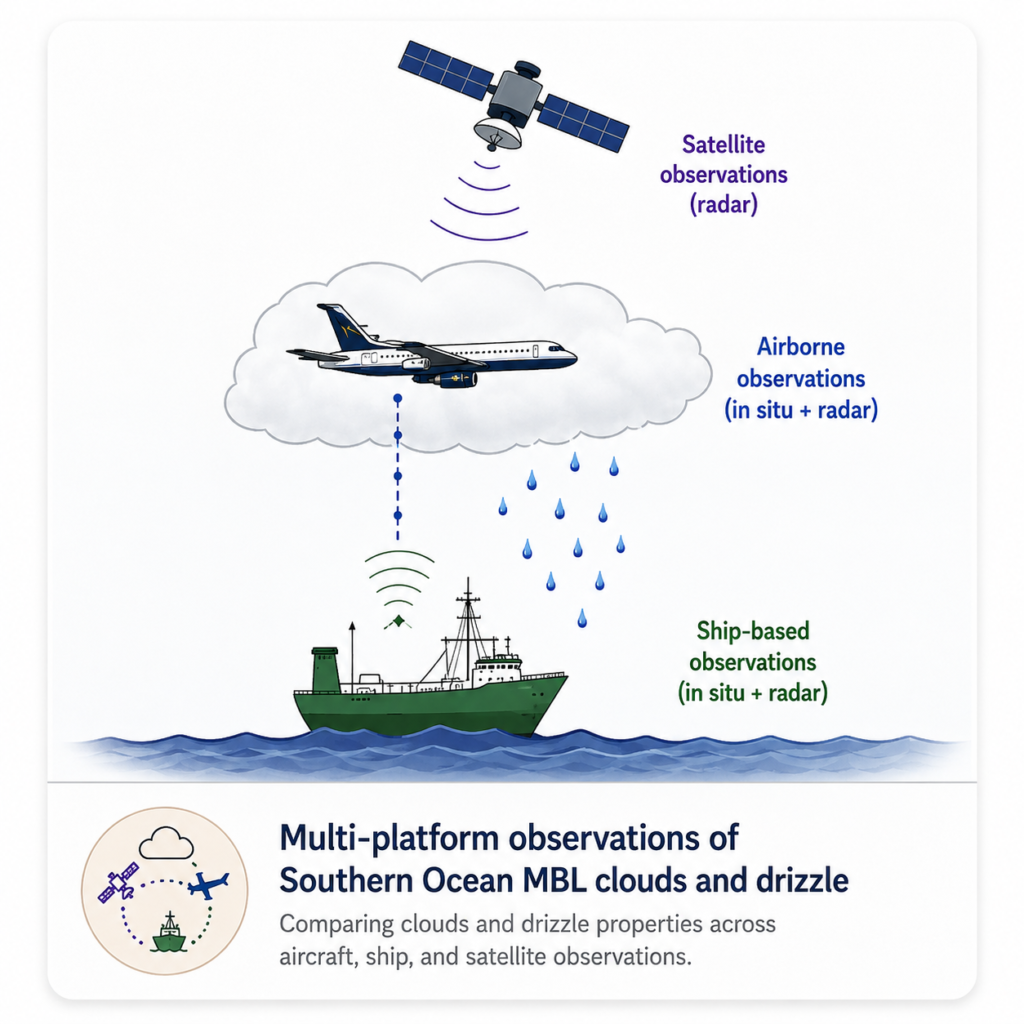
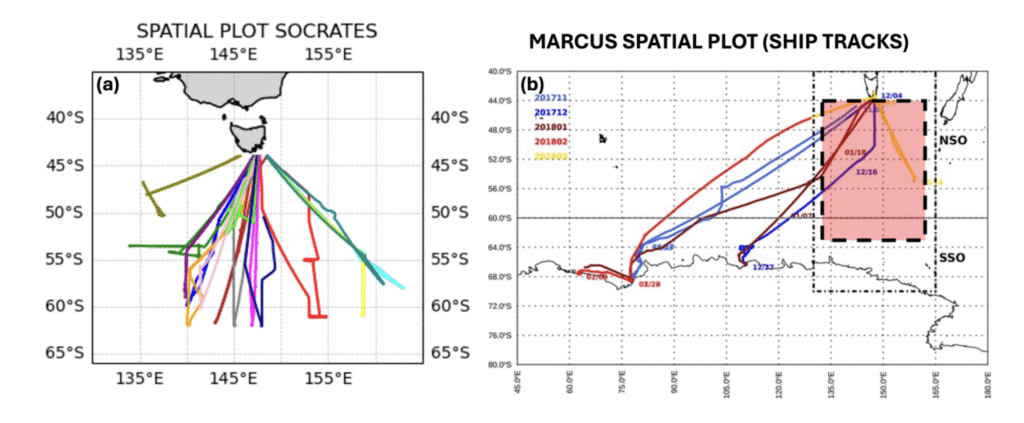
    Cloud and drizzle properties in Southern Ocean (SO) marine boundary layer clouds were examined using aircraft, shipborne, and satellite observations to compare how different observational platforms detect and characterize the similar cloud regimes sampled over the same SO region during the austral summer season.
    What are the main findings?

    • Consistent cloud–drizzle retrievals across platforms. The reflectivity–retrieval framework provides consistent macrophysical and microphysical properties of liquid-dominant SO MBL clouds and drizzle from airborne (SOCRATES), ship-based (MARCUS), and satellite (CloudSat) observations.
    • Retrieved cloud structures are physically realistic, while instrumental limitations explain most differences. The retrieved vertical distributions of cloud and drizzle properties are consistent with the dominant physical growth processes. Differences among the three platforms reflect variations in radar sensitivity, vertical resolution, and sampling strategy.

    What are the implications of the main findings?

    • Toward unified cloud–drizzle retrievals. A single in situ-derived reflectivity–microphysics framework can be applied across airborne, ship-based, and satellite radars, enabling more coherent multi-platform cloud and drizzle climatologies.
    • Stronger confidence in MBL cloud process interpretation. The retrieved cloud–drizzle structures across platforms support robust physical interpretations of SO MBL clouds and provide a benchmark for improving retrievals and climate model evaluation.
    Abstract

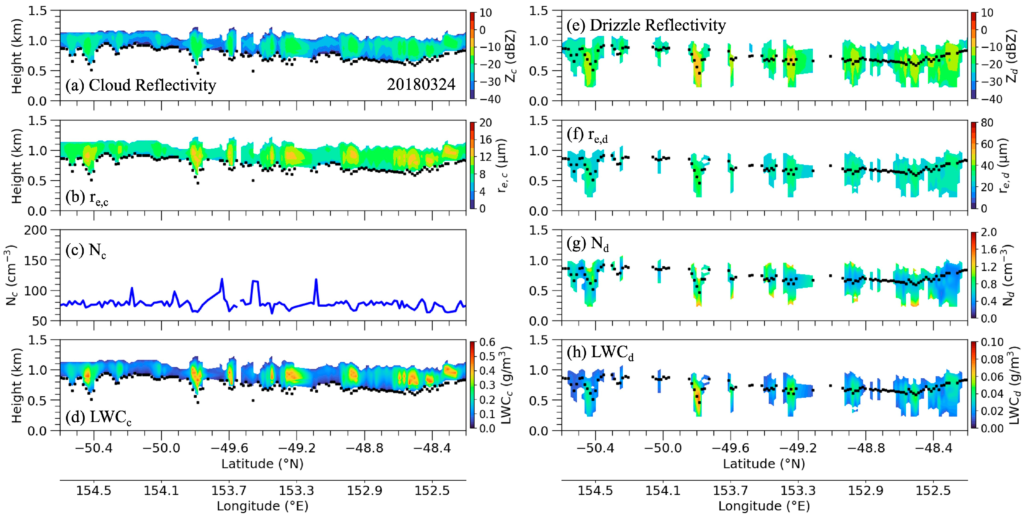
    Marine boundary layer (MBL) clouds strongly influence radiation and precipitation over the Southern Ocean (SO), yet their vertical structures and microphysical properties remain poorly constrained across observational platforms. This study compares macrophysical and microphysical properties of single-layer, liquid-dominant MBL clouds below 3 km using aircraft observations from the SO Clouds, Radiation, Aerosol Transport Experimental Study (SOCRATES), ship-based observations from Measurements of Aerosols, Radiation, and Clouds over the SO (MARCUS), and satellite observations from CloudSat. An empirical reflectivity–microphysics retrieval framework developed from in situ droplet size distributions (DSDs) measured during SOCRATES was applied to MARCUS M-WACR and CloudSat CPR reflectivity observations to retrieve vertical profiles of number concentration (N), effective radius (re), and liquid water content (LWC) for cloud and drizzle particles. Cloud boundary heights and retrieved microphysical properties show broad agreement across the three platforms within the limitations imposed by instrumental sensitivity, sampling differences, and retrieval uncertainties. However, CloudSat CPR observations exhibit larger deviations because of their coarser vertical resolution and lower reflectivity sensitivity, including limited detection of low clouds below ~500 m. The observed vertical structures are consistent with condensational growth, entrainment, and collision–coalescence processes. Overall, the results demonstrate broad consistency in cloud and drizzle properties across the three platforms, while highlighting the impacts of instrumental sensitivity, vertical resolution, and sampling differences on cloud boundary detection and microphysical retrievals.

    Cite Paper: Das, A., Dong, X., & Xi, B. (2026). Cross-Platform Comparison of Marine Boundary Layer Cloud and Drizzle Properties over the Southern Ocean Using Airborne, Shipborne, and Satellite Observations. Remote Sensing18(13), 2262. https://doi.org/10.3390/rs18132262

  • Deriving Empirical Relationships between MBL Cloud Microphysical Properties and Radar Reflectivity Using Airborne In Situ Measurements over the Southern Ocean

    Find it Online: https://doi.org/10.1175/JTECH-D-25-0069.1

    Abstract

    Accurate representation of marine boundary layer (MBL) cloud and drizzle microphysics is essential for improving cloud–radiation feedback in models and satellite retrievals. This study derived empirical relationships to estimate cloud and drizzle microphysical properties—effective radius (re) and liquid water content (LWC)—from reflectivity (ZdBZ) using aircraft measurements during the Southern Ocean Clouds, Radiation, Aerosol Transport Experimental Study (SOCRATES) campaign. In situ cloud and drizzle droplet size distributions (DSDs) were measured by the cloud droplet probe (CDP; 2–40 μm) and two-dimensional stereo (2D-S) probe (40–400 μm) onboard aircraft and analyzed assuming lognormal and gamma size distributions, respectively. Empirical relationships re = A exp(0.0384 × ZdBZ) and LWC = B exp(0.115 × ZdBZ) were derived, with coefficients A = 23.02 ± 2.4 and B = 2.70 ± 0.95 for clouds and A = 49.81 ± 3.5 and B = 0.15 ± 0.11 for drizzle. Sensitivity analyses show that A and B vary strongly with reflectivity but only weakly with droplet number or size distribution. The derived relationships were applied to the 94-GHz High-Performance Instrumented Airborne Platform for Environmental Research (HIAPER) Cloud Radar (HCR) reflectivity measurements during SOCRATES. The retrieved re and LWC values show excellent agreement with in situ estimates, exhibiting mean differences below 10%. Further implementation using Marine W-Band Atmospheric Radiation Measurement (ARM) Cloud Radar (M-WACR) reflectivity measurements during the Measurements of Aerosols, Radiation, and Clouds over the Southern Ocean (MARCUS) campaign yielded results consistent with existing retrieval approaches (mean differences < 20%). These findings demonstrate that the derived empirical relationships provide a reliable and broadly applicable framework for retrieving MBL cloud and drizzle properties across different observational platforms and marine climatic regimes.

    Significance Statement

    Understanding cloud and drizzle microphysics is essential for improving climate model predictions, which are sensitive to regional conditions, observation methods, and instrument characteristics. Since cloud and drizzle droplets follow distinct size distribution patterns, accurate retrievals require case-specific analyses. In this study, we analyze droplet size distributions from in situ cloud and drizzle probes onboard research aircraft during the Southern Ocean Clouds, Radiation, Aerosol Transport Experimental Study (SOCRATES) campaign over the Southern Ocean. Empirical relationships linking effective radius and liquid water content to radar reflectivity are derived, providing a useful reference for retrievals across different observational platforms and microphysical regimes. The results show that microphysical properties vary systematically with reflectivity, supporting the use of radar measurements to derive time-resolved vertical profiles of cloud and drizzle structure.

    Cite Paper: Das, A., Dong, X., & Xi, B. (2026). Deriving Empirical Relationships between MBL Cloud Microphysical Properties and Radar Reflectivity Using Airborne In Situ Measurements over the Southern Ocean. Journal of Atmospheric and Oceanic Technology43(4), 425-443. https://doi.org/10.1175/JTECH-D-25-0069.1

    Conference Presentation

    Das, A., Dong, X., Xi, B. (2026). Investigating Marine Boundary Layer Cloud and Drizzle Microphysical Properties over the Southern Ocean Using Airborne In Situ and Radar Measurements. https://www.eol.ucar.edu/radar-technology-community-workshop-final-report-june-2026NSF NCAR Radar Technology Community Workshop (March 10-12, 2026), Boulder, CO.

  • Marine Boundary Layer Cloud Boundaries and Phase Estimation Using Airborne Radar and In Situ Measurements During the SOCRATES Campaign over Southern Ocean

    Find it online: https://doi.org/10.3390/atmos16101195

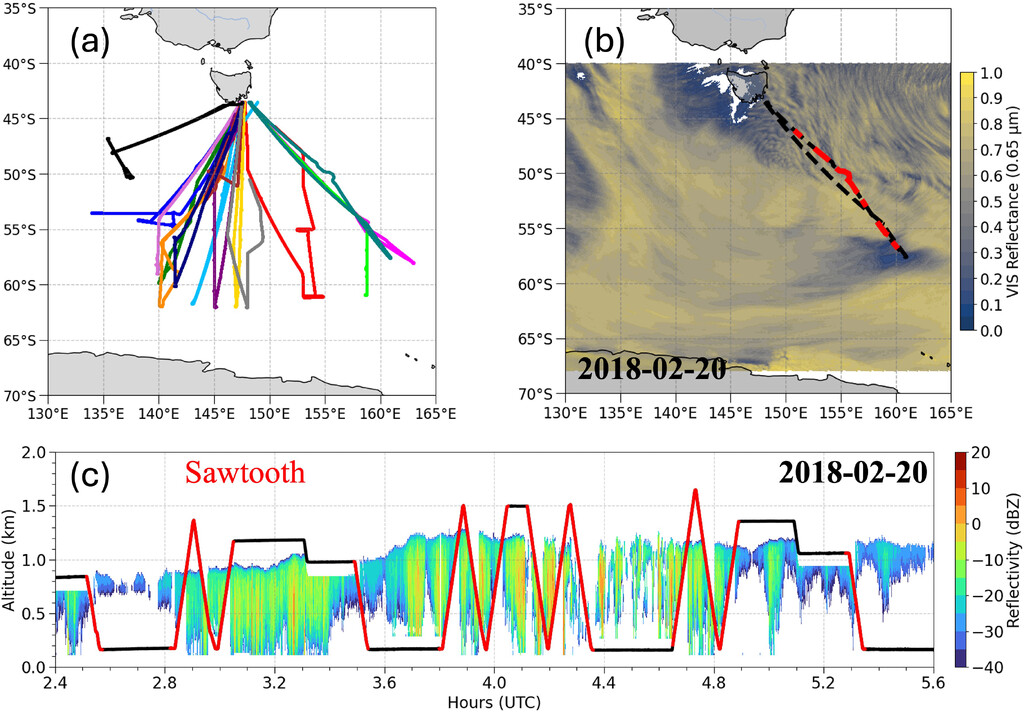
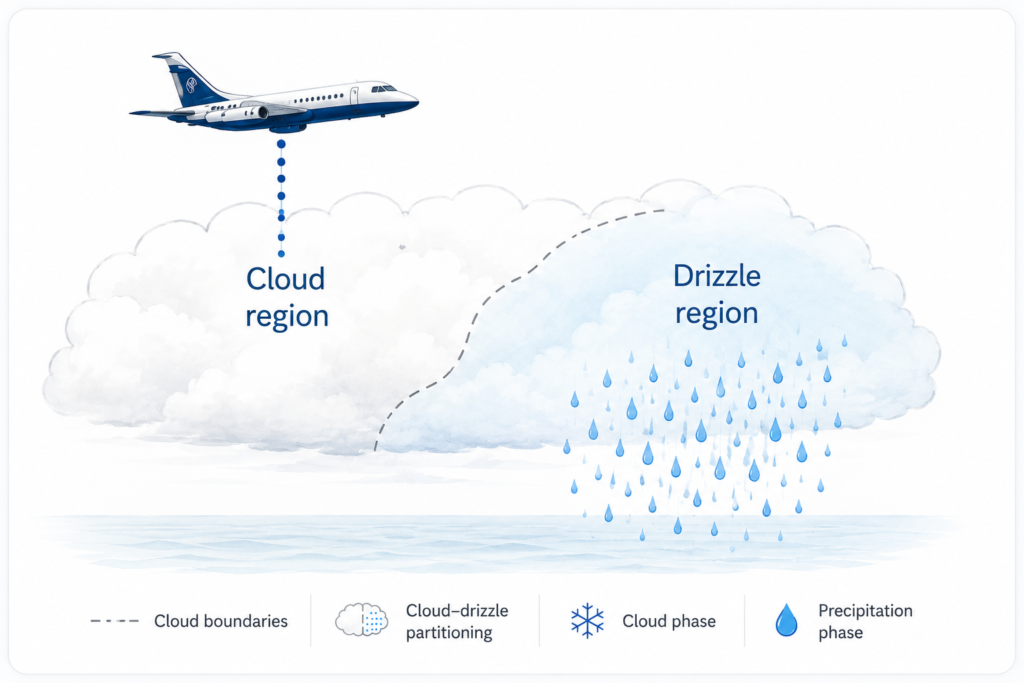
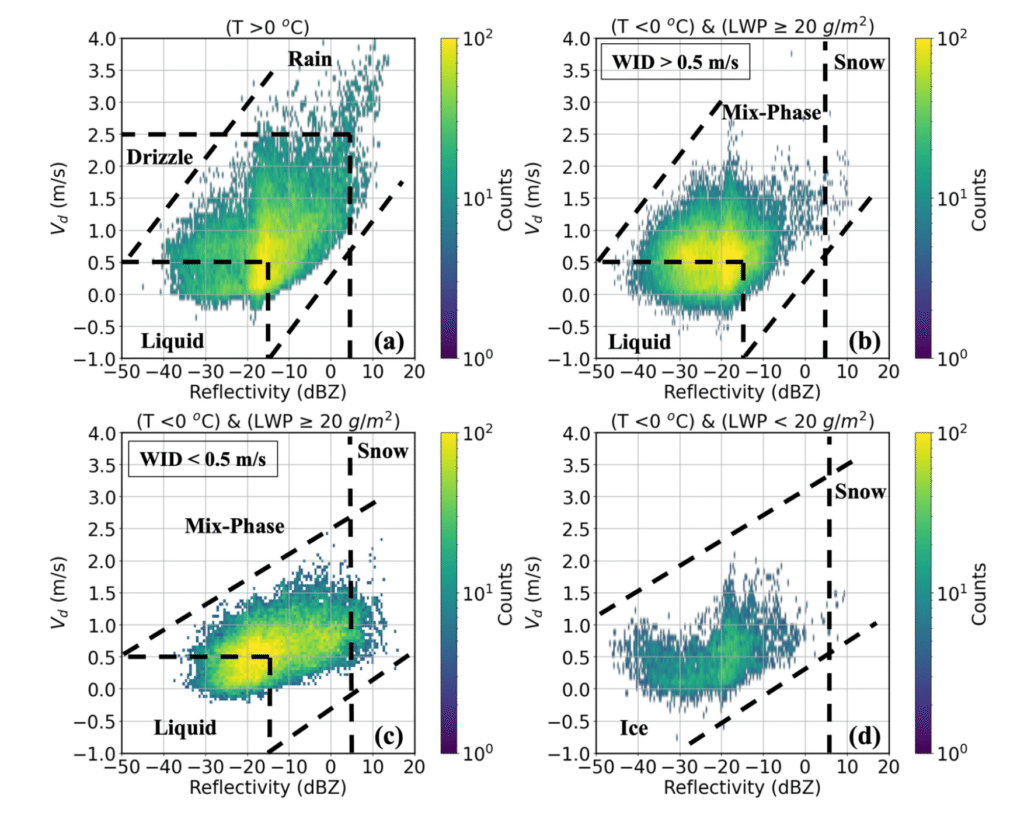
    The Southern Ocean Clouds, Radiation, Aerosol Transport Experimental Study (SOCRATES) was an aircraft-based campaign (15 January–26 February 2018) that deployed in situ probes and remote sensors to investigate low-level clouds over the Southern Ocean (SO). A novel methodology was developed to identify cloud boundaries and classify cloud phases in single-layer, low-level marine boundary layer (MBL) clouds below 3 km using the HIAPER Cloud Radar (HCR) and in situ measurements. The cloud base and top heights derived from HCR reflectivity, Doppler velocity, and spectrum width measurements agreed well with corresponding lidar-based and in situ estimates of cloud boundaries, with mean differences below 100 m. A liquid water content–reflectivity (LWC-Z) relationship, LWC = 0.70Z0.29, was derived to retrieve the LWC and liquid water path (LWP) from HCR profiles. The cloud phase was classified using HCR measurements, temperature, and LWP, yielding 40.6% liquid, 18.3% mixed-phase, and 5.1% ice samples, along with drizzle (29.1%), rain (3.2%), and snow (3.7%) for drizzling cloud cases. The classification algorithm demonstrates good consistency with established methods. This study provides a framework for the boundary and phase detection of MBL clouds, offering insights into SO cloud microphysics and supporting future efforts in satellite retrievals and climate model evaluation.

    Cite Paper: Das, A., Xi, B., Zheng, X., & Dong, X. (2025). Marine Boundary Layer Cloud Boundaries and Phase Estimation Using Airborne Radar and In Situ Measurements During the SOCRATES Campaign over Southern Ocean. Atmosphere16(10), 1195. https://doi.org/10.3390/atmos16101195

    Conference Presentation:

    Das, A., Xi, B., Zheng, X., & Dong, X. (2024). Estimating cloud boundaries, phase, and macrophysical properties of low-level clouds using in-situ and radar measurements over the Southern Ocean during the SOCRATES campaign. Poster presented at the American Geophysical Union Fall Meeting 2024.

    Poster abstract: https://agu.confex.com/agu/agu24/meetingapp.cgi/Paper/1573644
    Poster PDF (ESSOAr): https://doi.org/10.22541/essoar.173888267.71612728/v1

  • Associations of Trace Gases and Meteorological Parameters and Particulate Matter with Ozone under Smog Conditions

    Associations of Trace Gases and Meteorological Parameters and Particulate Matter with Ozone under Smog Conditions

    Find it online: https://jpoll.ut.ac.ir/article_100998.html

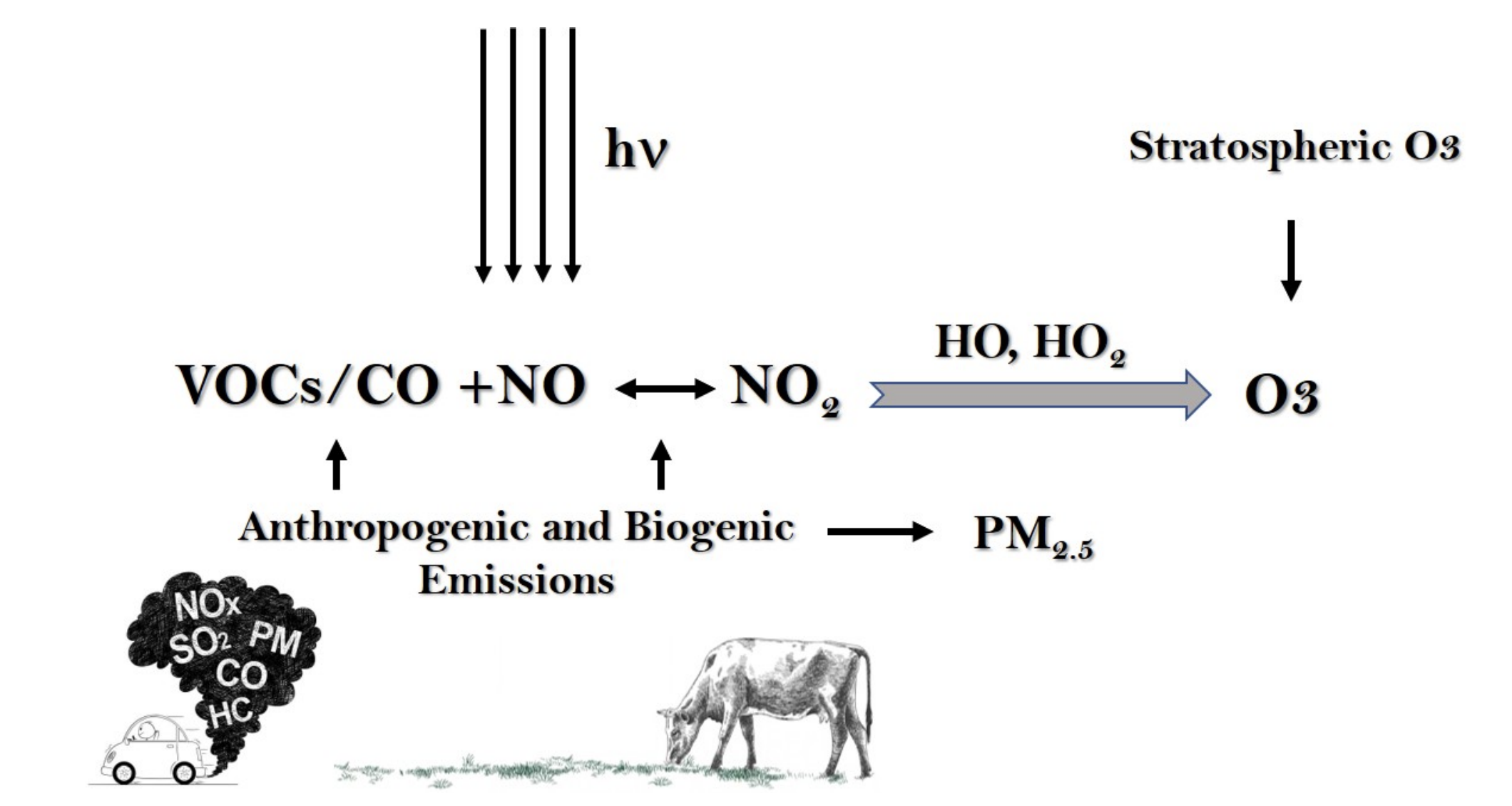
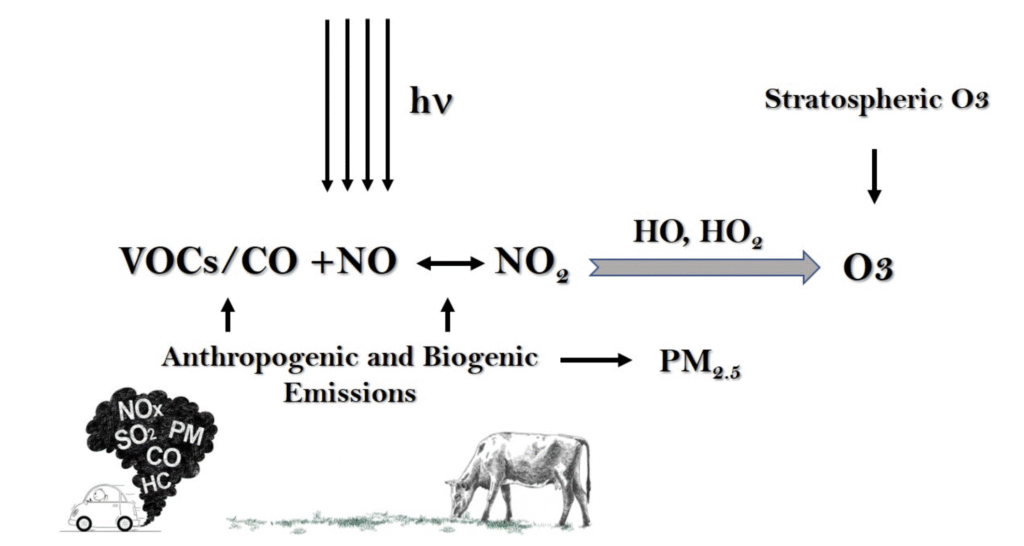
    This work investigated the connection between O3 and other pollutants and meteorological conditions during a smog episode in Delhi. Ozone concentrations varied from site to site (150~269 µg/m3). A significant negative correlation has been observed between O3 and its precursor gases. Wind speed showed a positive correlation, but high wind usually dilutes the pollutant concentrations. Thus, a positive correlation with wind speed represents ozone transport from other locations to observational sites. The high ratio of PM2.5 to PM10 indicates a predominance of human involvement. Toluene and benzene ratios(T/B) are estimated to understand the nature of emission sources and the lifetime of pollution. The analysis of the benzene and toluene fractions indicates anthropogenic air masses’ dominance. Very high T/B values at several sites indicated that benzene was emitted from vehicular emission while toluene was from point sources. Ozone formation potential analysis showed that toluene and p-xylene are the prime contributors to ozone.

    Cite Paper: N., Tewari, A., & Das, A. (2025). Associations of Trace Gases and Meteorological Parameters and Particulate Matter with Ozone under Smog Conditions. Pollution, 11(3), 758-780. https://doi.org/10.22059/poll.2025.383221.2585

    Conference Presentation:

    Tewari, A., Srivastava, N., & Das, A. (2021). Ozone connections with VOCs, precursors, and meteorological conditions during severe smog condition over Delhi. Paper presented at the International Symposium on Tropical Meteorology (INTROMET-2021), On Changing Climate: Consequences and Challenges (C4-21), November 23–26, 2021, Cochin Chapter of the Indian Meteorological Society (IMS), Cochin University of Science and Technology (CUSAT), Cochin.

  • Quantifying the Differences in Southern Ocean Clouds Observed by Radar and Lidar From Three Platforms

    Quantifying the Differences in Southern Ocean Clouds Observed by Radar and Lidar From Three Platforms

    Find it online: https://doi.org/10.1029/2024GL112079

    A synergistic analysis of the radar-only and combined radar-lidar observations across the three platforms was conducted. To align with well-calibrated CloudSat cloud profiling radar (CPR) (and HCR) reflectivity measurements, a constant 4.5 dB offset was applied to all M-WACR reflectivitives during the MARCUS. This brings M-WACR data into better agreement with both HCR and CPR reflectivity measurements and facilitates a more reliable cloud fraction (CF) comparison. The total CFs (CFTs) derived from the three radars show excellent agreement. All three radars detect large drizzle drops, but M-WACR and HCR excel at detecting smaller cloud droplets that are often missed by CPR. The underestimated CFs by CPR are due to increased attenuation of CPR measurements below 3 km, and the combined effects of attenuation and surface clutter below 1 km. Combining radar and lidar observations enhanced cloud detection by 20%–60%. The results from this study provide new insights for designing future cloud radar systems.

    Cite Paper: Dong, X., Das, A., Xi, B., Zheng, X., Behrangi, A., Marcovecchio, A. R., & Girone, D. J. (2025). Quantifying the differences in Southern Ocean clouds observed by radar and lidar from three platforms. Geophysical Research Letters, 52, e2024GL112079. https://doi.org/10.1029/2024GL112079

    Conference Presentation:

    Dong, X., Das, A., Xi, B., Girone, D., Marcovecchio, A. R., Zheng, X., & Behrangi, A. (2025). Quantifying the differences of clouds observed by radar and lidar from three platforms over the Southern Ocean. Presentation at the 105th AMS Annual Meeting 2025. American Meteorological Society (AMS).

    Presentation Abstract: https://ui.adsabs.harvard.edu/abs/2025AMS…10551658D/abstract